


Visit the virtual gallery
05.05. – 25.07.2026
LINES · CURVES · MOTIONS
LOREDANA NEMES · AITOR ORTIZ · STEFANIE SEUFERT
OPENING: 02 MAY 2026, 2 - 6 p.m.
LINES · CURVES · MOTIONS
LOREDANA NEMES · AITOR ORTIZ · STEFANIE SEUFERT
OPENING: 02 MAY 2026, 2 - 6 p.m.
Others No 02
Galerie Springer Berlin is delighted to announce its next exhibition featuring the
artists Loredana Nemes, Stefanie Seufert and Aitor Ortiz. At first glance, the three
artistic approaches appear distinct. The unifying element, however, is the analysis and
interpretation of structures and patterns in nature. “To contemplate a natural pattern
is, for an instant, to discover that our own mind participates in the same secret
geometry that organises living things.” (Aitor Ortiz)
Metaflora 020
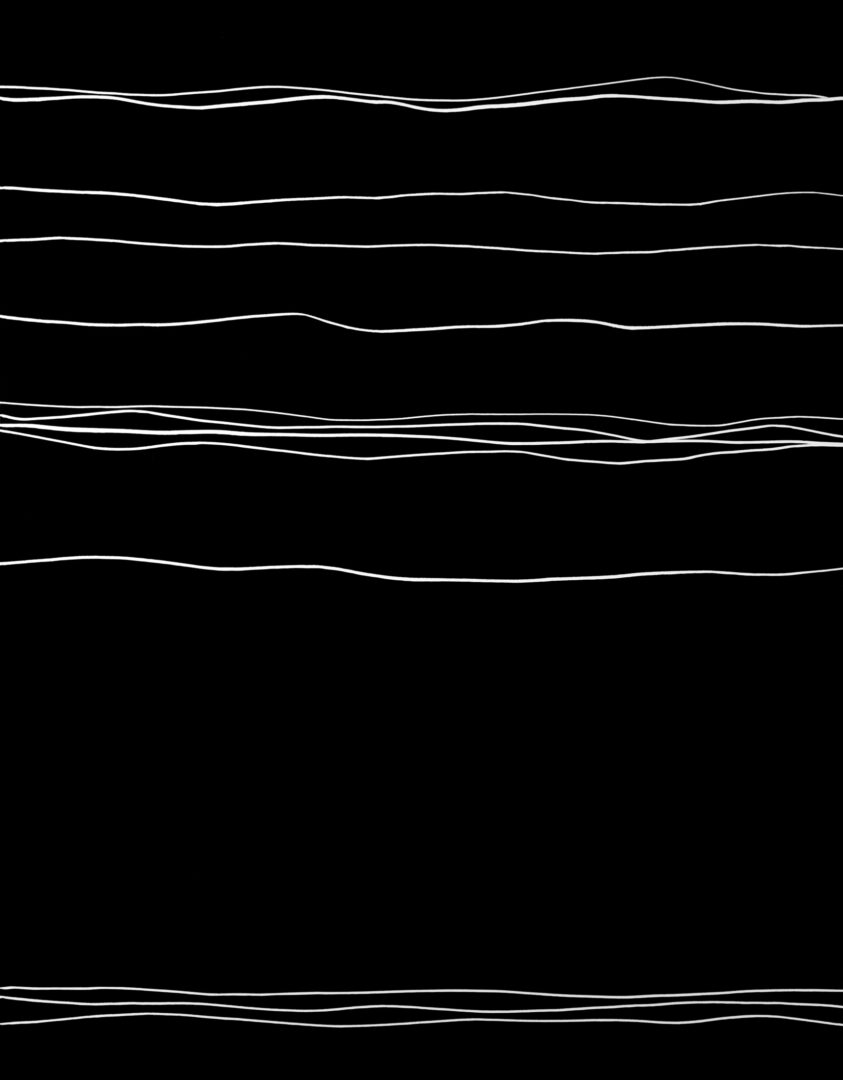
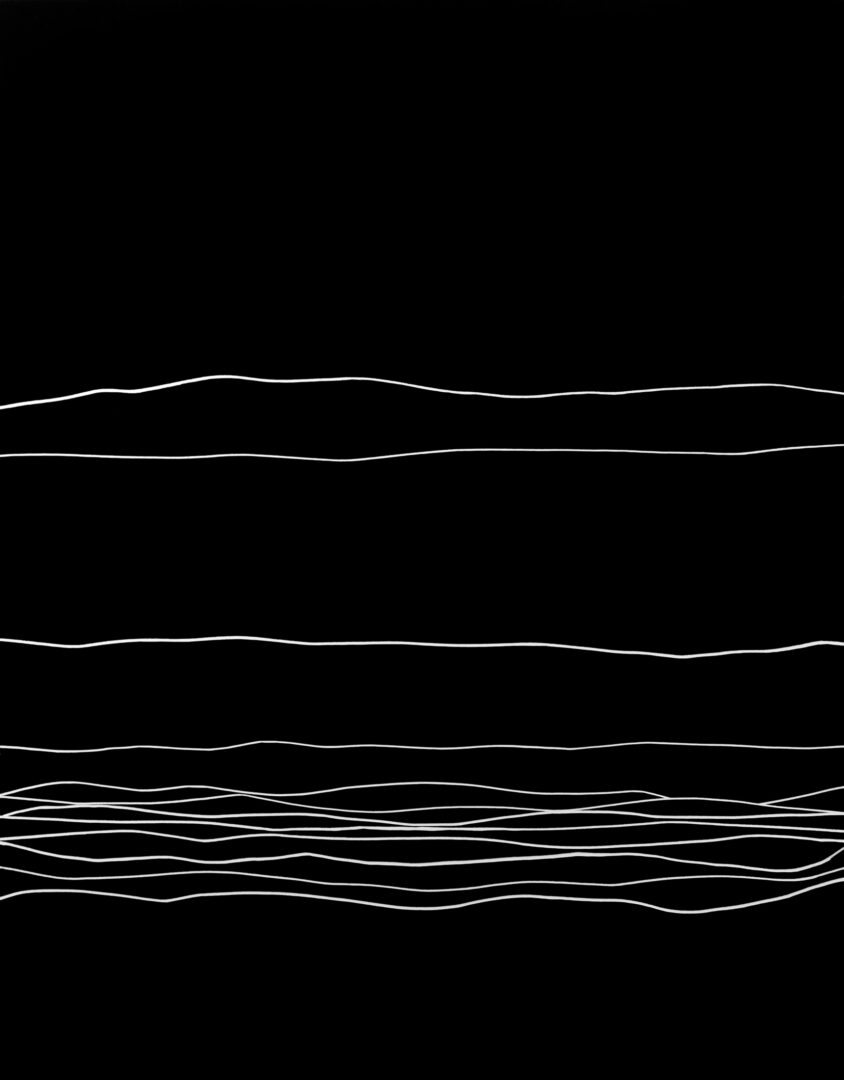
This thought is manifested in Loredana Nemes’s quiet white lines on a deep black
background, which are reminiscent of landscapes, musical scores or oscilloscopes.
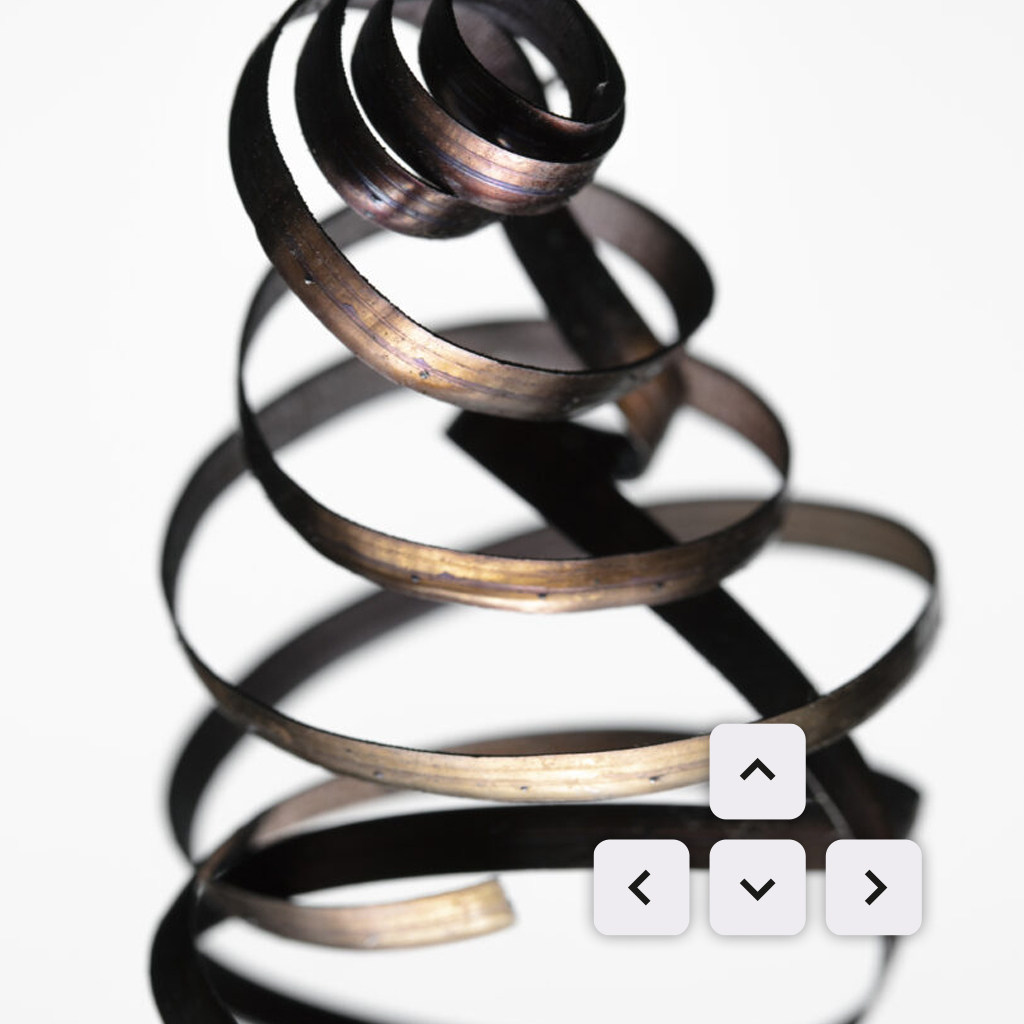
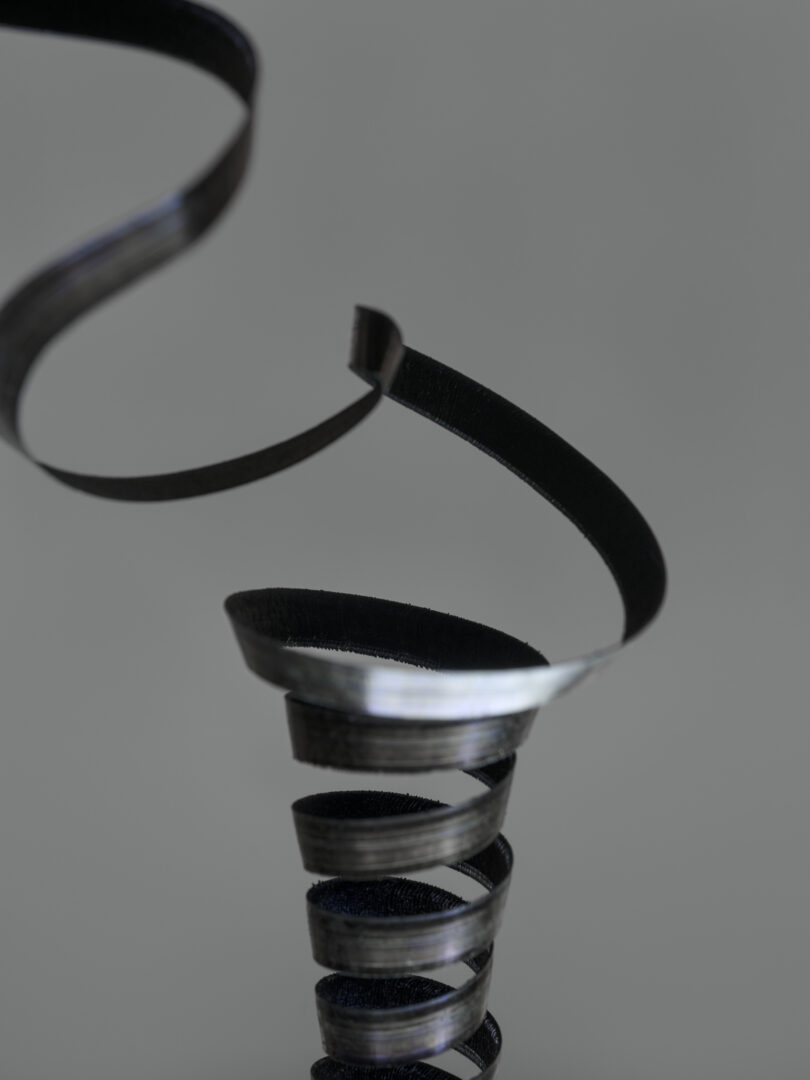
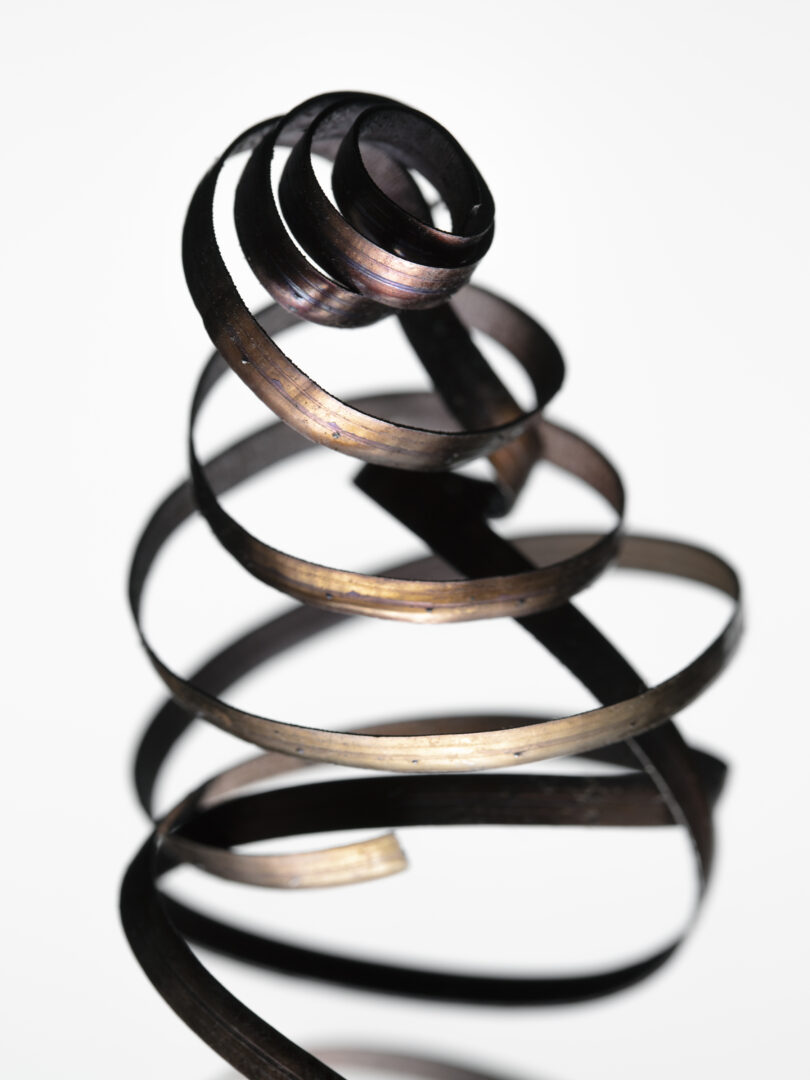
Aitor Ortiz presents metallic curves that seem like a homage to the photographs of
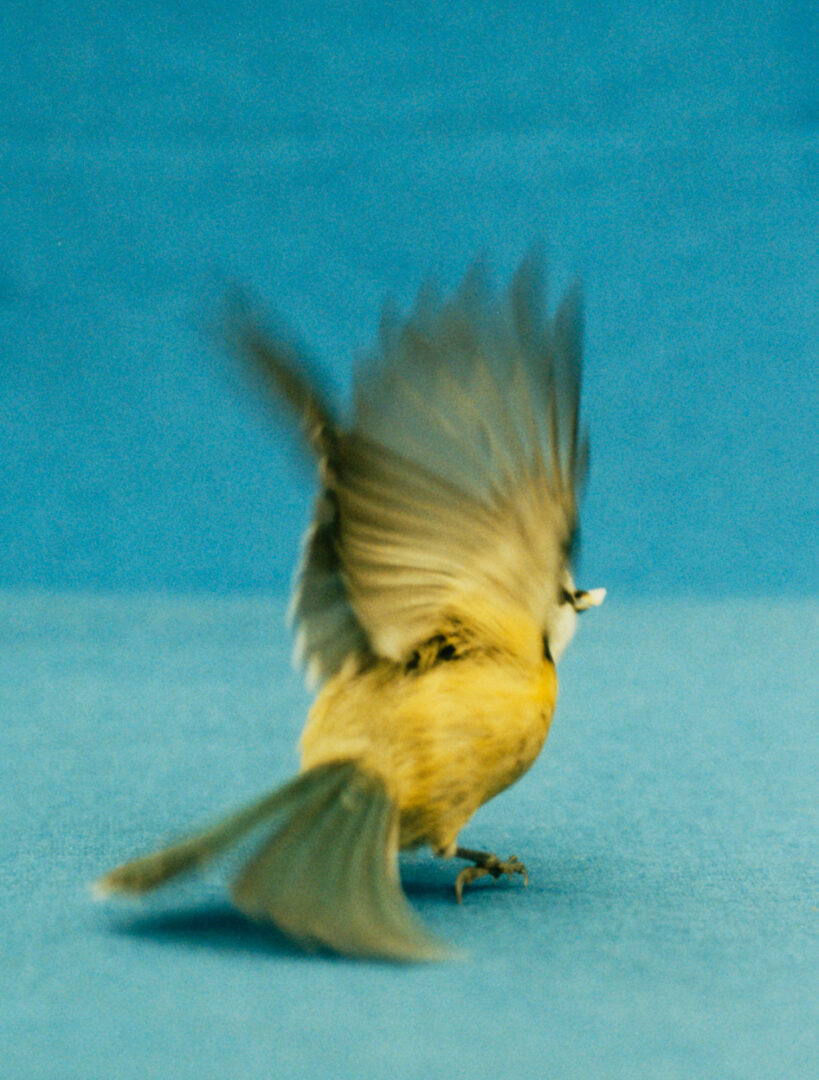
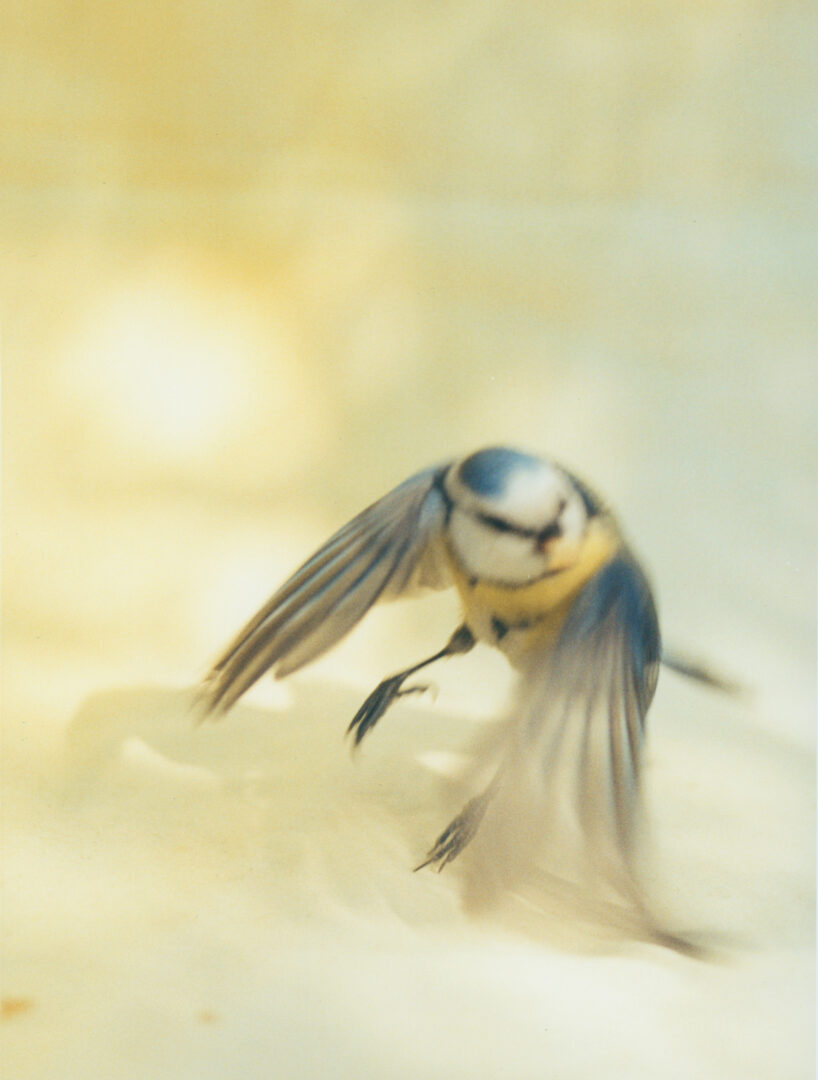
Karl Blossfeldt. Stefanie Seufert offers the great tits and blue tits in Berlin’s parks a
stage on which, often after a long wait, she is able to capture their nimble movements
with her camera.
Overexposed 34 (14 sheets)
LOREDANA NEMES · OVEREXPOSED
White matt lines on deep, glossy black. Layered analogue photographic paper that
transcends its two-dimensionality into the sculptural. Silver gelatine, bathed in light,
becomes dense black – a black that reflects light, harbours secrets, opens up spaces.
The radical cut edge as a line, as a border, as an end. In the interplay of the lines,
landscapes, sea surfaces and musical scores emerge.
The artist found inspiration in Hiroshi Sugimoto and Pierre Soulages – in the interplay
of light, fullness and black. The small format maintains the balance between black
surface and white line, which resonates in the movement of the hand.
Overexposed 33 (13 sheets)
Others No 11
STEFANIE SEUFERT· OTHERS
The ongoing series OTHERS is created en plein air, in public parks, using a portable
studio in which fabrics of various colours serve as a backdrop. There is natural light
and an analogue camera. Apart from these elements, nothing in the setup can be
planned. The composition of the images thus emerges from the behaviour of the birds
that occasionally land in the setting: where do they land, how fast do they move, and
do they even decide to come at all?
The final C-prints in the series depict great tits and blue tits on a greatly enlarged
scale. Above all, the images focus on the choreography of the wingbeat.
AITOR ORTIZ · METAFLORA
Although Aitor Ortiz’s photographs enter into dialogue with the work of Karl
Blossfeldt, they should not be understood simply as homage. Where Blossfeldt isolated
vegetal forms from their natural context and transformed them into formal, almost
archetypal studies, Ortiz begins from a markedly different field of reference: not from
nature, but from the residual matter of industrial production.
Born in 1971 in the industrial city of Bilbao, where he also grew up, the artist belongs to
a place historically shaped by metallurgy, shipbuilding and heavy industry. At the
same time, Bilbao is a city profoundly marked by transformation. Its transition from an
industrial centre to a post-industrial urban landscape has left deep and lasting traces—
material, social and psychological.
Metaflora 041